
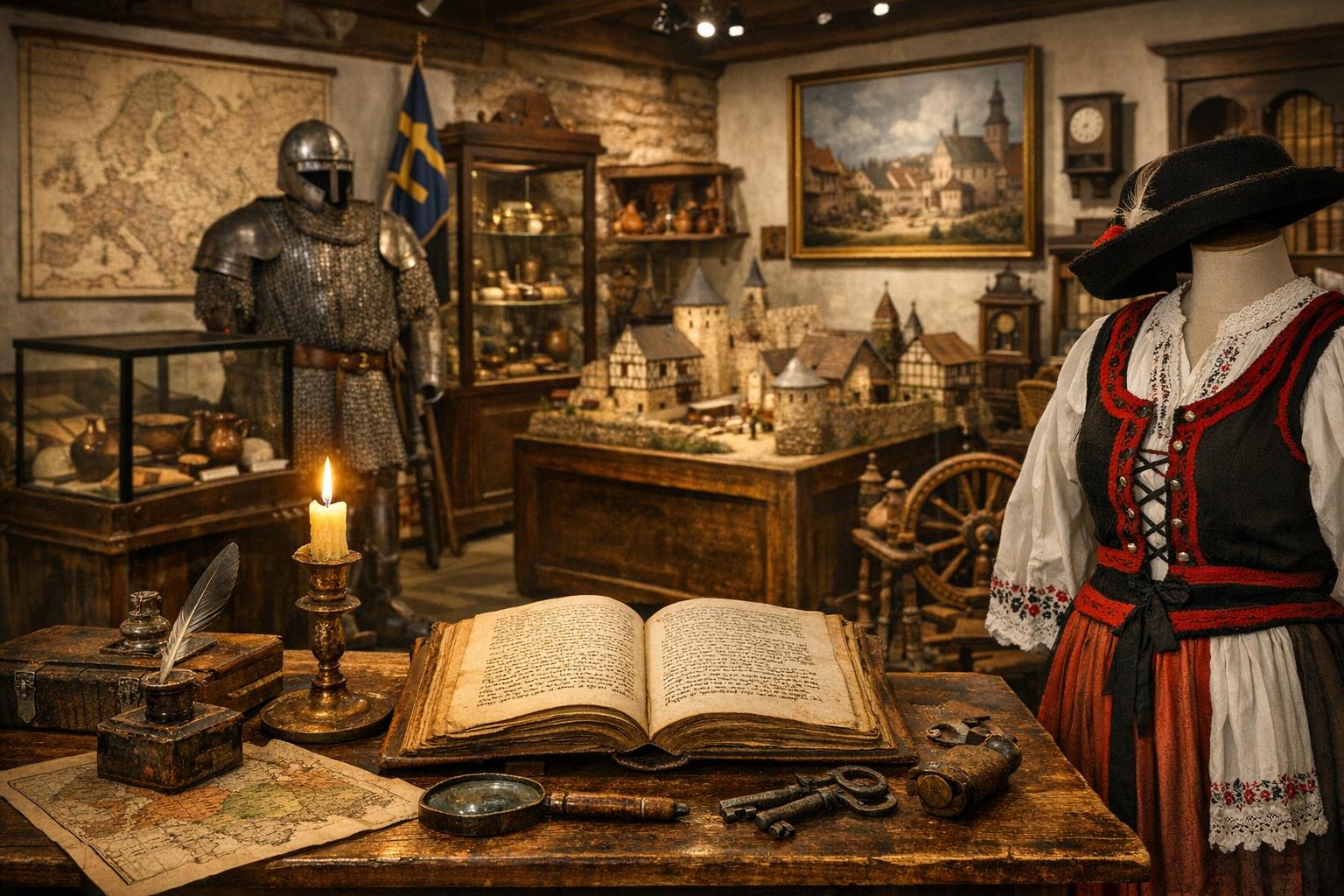
The Importance of Local History Museums
Local history museums serve as vital custodians of cultural heritage across Europe, preserving the diverse narratives and identities that shape the continent’s historical landscape. While national museums often focus on major events or prominent figures, local institutions provide a more granular perspective, capturing the everyday experiences, regional customs, and micro-histories that might otherwise remain undocumented. Through their work, these museums bridge the gap between past and present, helping individuals understand how historical developments continue to influence contemporary life.
Preservation of Artifacts and Stories
Local history museums play a central role in the preservation of artifacts and stories that could easily be lost due to neglect, environmental damage, or generational change. Their collections often include a wide range of materials, from agricultural tools and household objects to photographs, manuscripts, and oral histories. These items may appear ordinary at first glance, yet they provide essential insight into the daily lives of past communities.
Preservation involves more than simply storing objects. Museum professionals apply specialized techniques to ensure that items are protected from deterioration. Climate control systems, conservation treatments, and careful documentation practices help maintain the integrity of collections. Alongside physical preservation, museums also focus on contextualizing artifacts. By recording the provenance and historical significance of each item, they create a structured narrative that allows future researchers and visitors to interpret these materials accurately.
Equally important is the collection of intangible heritage, such as dialects, traditions, and personal testimonies. Local museums often conduct interviews or collaborate with community members to capture these elements before they disappear. In doing so, they extend preservation beyond objects to include cultural practices and lived experiences.
Education and Public Engagement
Education is a defining function of local history museums. Through carefully curated exhibits, workshops, and guided tours, they provide structured opportunities for visitors to engage with history in a tangible way. Unlike textbooks, which present information in a fixed format, museum exhibits allow for experiential learning. Visitors can observe authentic artifacts, interpret visual displays, and often participate in interactive installations.
Many museums have adopted digital technologies to enhance educational impact. Touchscreen displays, augmented reality features, and multimedia presentations offer layered interpretations of historical content. These tools can make complex topics more accessible without simplifying them excessively. For younger audiences, such approaches can create an entry point into historical inquiry that encourages further exploration.
Collaboration with educational institutions strengthens this role. Schools frequently incorporate museum visits into their curricula, using exhibitions to complement classroom instruction. Universities may partner with museums for research projects, internships, or field studies. Through these collaborations, museums function as both educational resources and active participants in academic development.
Public engagement extends beyond formal education. Community events, lectures, and temporary exhibitions invite broader audiences to interact with local history. These activities ensure that museums remain relevant and accessible, rather than operating as static repositories.
Promoting Community Identity
Local museums play a significant role in fostering community identity and continuity. By documenting regional histories, they create a shared reference point that helps residents understand their collective past. Exhibitions often highlight local industries, migration patterns, and significant events that have shaped the area over time.
This emphasis on locality can strengthen social cohesion. When individuals see their own stories, or those of their families and neighbors, represented within a museum, it reinforces a sense of belonging. This is particularly important in regions that have experienced social or economic change, where historical continuity can provide a stable framework for understanding transformation.
Museums also contribute to the recognition of diverse perspectives within a community. By including narratives from different social, ethnic, or occupational groups, they present a more inclusive account of history. This approach encourages critical engagement with the past while supporting a broader understanding of cultural diversity.
Research and Scholarship
Local history museums are not only public-facing institutions but also centers of scholarly activity. Curators, archivists, and historians work extensively with collections to produce original research. Their findings may be published in academic journals, presented at conferences, or integrated into museum exhibitions.
These institutions often house archives that are unavailable elsewhere, including municipal records, private correspondences, and region-specific documentation. Such materials are invaluable for researchers studying social, economic, or cultural history at a local level. By maintaining and organizing these archives, museums facilitate access to primary sources that support rigorous scholarship.
In addition to individual research efforts, museums may collaborate with universities or independent researchers on larger projects. These partnerships can lead to new interpretations of historical events or contribute to broader historiographical debates. As a result, local history museums play a part in advancing historical knowledge beyond their immediate geographical scope.
Digital Transformation and Accessibility
The integration of digital technologies has significantly altered how local history museums operate and engage with audiences. Digitization of collections allows museums to create online databases that can be accessed globally. This increases visibility and ensures that materials are available to researchers and the public regardless of geographic location.
Virtual exhibitions and tours have become increasingly common, offering alternative ways to experience museum content. These formats are particularly useful for individuals who cannot visit in person, whether due to distance, mobility limitations, or other constraints. Digital accessibility also supports educational institutions by providing resources that can be integrated into remote learning environments.
At the same time, digitization contributes to preservation efforts. By creating high-quality digital records of artifacts and documents, museums can reduce the need for physical handling, thereby minimizing wear and potential damage. However, digital transformation requires ongoing investment in technology, data management, and staff training to ensure long-term sustainability.
Collaboration and Networks
Cooperation between local history museums enhances their capacity to present comprehensive narratives. By working together, institutions can share expertise, loan artifacts, and develop joint exhibitions that connect regional histories to broader European contexts. These collaborations often reveal historical links that extend beyond local boundaries, such as trade networks, migration routes, or shared cultural practices.
Professional networks also support standardization in areas such as conservation methods, cataloging systems, and ethical guidelines. Through regular communication and joint initiatives, museums can adopt best practices and respond more effectively to common challenges. Traveling exhibitions and shared research projects further expand the reach of local collections, allowing them to be appreciated by wider audiences.
Challenges and Future Directions
Despite their importance, local history museums face several ongoing challenges. Financial constraints are among the most pressing issues, as many institutions rely on limited public funding or donations. Maintaining facilities, preserving collections, and implementing new technologies can strain available resources.
Another challenge lies in maintaining relevance in a rapidly changing cultural landscape. As audiences increasingly engage with digital media, museums must balance traditional exhibition methods with innovative approaches that meet contemporary expectations. This requires adaptability without compromising scholarly integrity.
Environmental factors also pose risks to cultural heritage, including climate change and urban development. Museums must invest in protective measures and emergency planning to safeguard their collections.
Looking ahead, the sustainability of local history museums will depend on strategic investment, community involvement, and continued adaptation to technological developments. By strengthening their roles as educational, cultural, and research institutions, they can continue to preserve and interpret the histories that define Europe’s diverse regions.