
Introduction to Living History Museums
Living history museums play a significant role in preserving and interpreting the diverse cultural heritage of Europe. Unlike conventional museums that primarily rely on static displays, these institutions are designed to recreate entire historical environments. Visitors are not merely observers but participants who move through settings that replicate villages, farms, workshops, and townscapes from earlier centuries. This immersive approach allows individuals to encounter history in a way that is both experiential and informative.
Across Europe, living history museums serve as important cultural resources. They present carefully researched reconstructions that reflect regional identities, social structures, and economic practices. By combining architecture, performance, and material culture, they provide layered interpretations of the past. These spaces function not only as tourist destinations but also as educational environments and research sites, contributing to the broader understanding of European history.
The Concept of Living History
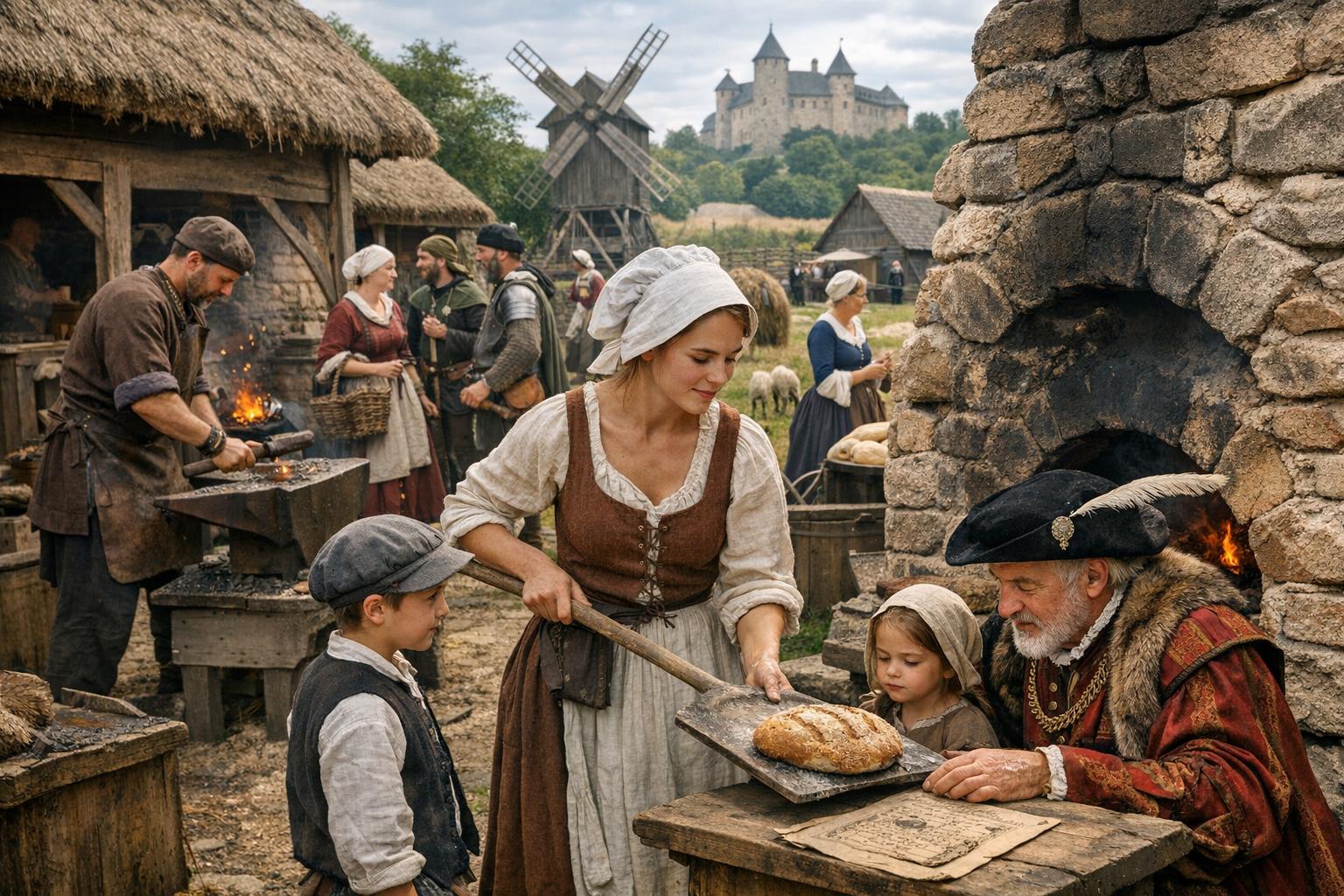
The concept of living history extends beyond the display of preserved objects. It is grounded in the idea that history is best understood through experience and context. In a living history museum, historical interpretation is carried out through human activity. Interpreters, often dressed in period-accurate clothing, demonstrate daily routines such as cooking, farming, craftsmanship, and trade. These activities are based on documented historical practices and are presented in a way that reflects the norms and constraints of the time.
Interaction is a defining element. Visitors can ask questions, observe techniques, and sometimes participate in tasks. This form of engagement encourages a more active learning process. Rather than presenting history as a fixed narrative, living history museums often highlight the variability of past experiences, showing differences across class, region, and occupation. The result is a nuanced portrayal of historical life that goes beyond simplified representations.
Key Features of Living History Museums
A central feature of living history museums is the physical reconstruction of historical environments. Buildings are either relocated from original sites or carefully rebuilt using traditional methods and materials. These structures range from rural cottages and barns to urban workshops and civic buildings. Their arrangement within the museum landscape reflects historical settlement patterns and land use.
The presence of skilled interpreters adds depth to these environments. Blacksmiths may forge tools using traditional techniques, while farmers cultivate crops with historical tools and methods. In some cases, heritage breeds of livestock are maintained to reflect agricultural practices of specific periods. Domestic activities such as food preparation and textile production are also demonstrated, providing insight into household economies and daily routines.
Seasonal changes are often incorporated into programming. Activities vary throughout the year to reflect historical agricultural cycles and cultural events. This dynamic structure ensures that the museum remains active and relevant across different visits, offering varied perspectives on historical life.
The Educational Value
Living history museums function as powerful educational platforms. Their strength lies in the ability to present historical content within a tangible and context-rich environment. Students and educators benefit from encountering history through direct observation and interaction rather than through abstract descriptions alone. This approach supports multiple learning styles, combining visual, auditory, and experiential elements.
Programs are often aligned with school curricula, focusing on themes such as industrial development, rural life, or social change. Workshops, guided tours, and demonstrations are designed to support critical thinking and historical inquiry. By engaging with interpreters and observing historical processes, visitors can better understand cause-and-effect relationships, technological evolution, and cultural practices.
In addition to formal education, these museums promote informal learning among general audiences. Visitors are encouraged to explore at their own pace, making connections between past and present. This accessibility contributes to broader historical awareness and fosters an appreciation for cultural diversity.
Cultural Preservation and Community Involvement
Living history museums play a crucial role in preserving intangible cultural heritage. Beyond maintaining buildings and artifacts, they safeguard traditions, skills, and practices that might otherwise be lost. Craft techniques such as weaving, pottery, and metalworking are preserved through ongoing demonstration and training. Oral histories and regional customs are also documented and presented.
Community involvement is a key component of this preservation effort. Many museums collaborate with local residents, historians, and artisans to ensure accurate and inclusive representation. Volunteers often contribute to interpretation and maintenance, strengthening the connection between the museum and its surrounding community.
These institutions also provide a platform for representing diverse perspectives. Efforts are increasingly made to include narratives related to different social groups, including women, laborers, and minority communities. This broader representation contributes to a more comprehensive understanding of history and supports cultural continuity.
Contribution to Tourism and Economy
In addition to their cultural and educational functions, living history museums contribute to regional tourism and economic development. They attract visitors from both domestic and international markets, particularly those interested in heritage tourism. The experiential nature of these museums offers an alternative to conventional sightseeing, making them appealing destinations for families, students, and researchers.
Economic benefits extend beyond the museum itself. Local businesses, including restaurants, accommodations, and transport services, often experience increased activity due to visitor traffic. Some museums also host events, festivals, and workshops that further stimulate local economies and encourage repeat visits.
Investment in living history museums can also support job creation. Positions range from historical interpreters and educators to conservation specialists and administrative staff. This diversity of roles reflects the multidisciplinary nature of museum operations and reinforces their importance as cultural institutions.
Prominent Examples in Europe
Europe hosts a wide range of living history museums, each offering distinct interpretations of regional history. These institutions vary in scale and focus, from rural open-air museums to large industrial reconstructions. Their diversity reflects the complexity of European historical development.
Skånes Djurpark in Sweden integrates elements of environmental and cultural history, combining wildlife conservation with representations of traditional Scandinavian life. Visitors encounter both natural landscapes and historical practices, illustrating the interdependence of human activity and environment.
Beamish in the United Kingdom is another well-known example. It presents a detailed reconstruction of life in North East England during the 19th and early 20th centuries. Through its streets, homes, and industrial sites, visitors can observe changes associated with industrialization and urban growth. Interpreters provide context through demonstrations and dialogue, making complex historical processes more accessible.
Other notable examples across Europe include open-air museums in Norway, Denmark, Germany, and Poland. Each contributes to the preservation of regional identity while also participating in broader discussions about heritage and historical interpretation.
Living history museums continue to evolve as they respond to changing expectations and new research. They increasingly incorporate digital tools, sustainability practices, and inclusive narratives while maintaining their core commitment to experiential learning. By bridging the past and present, these institutions provide valuable insights into cultural development and human adaptability.