
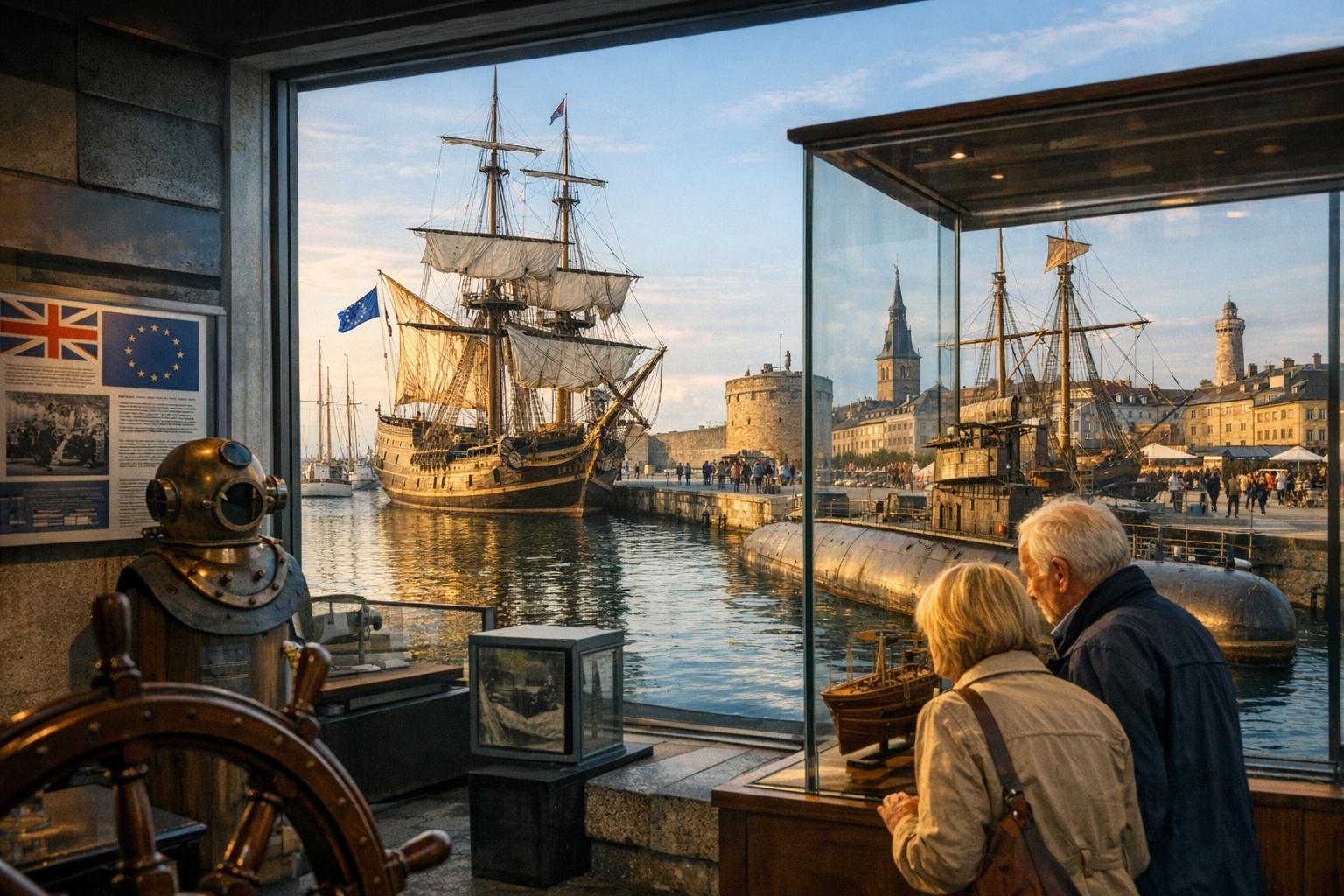
The Role of Maritime Museums in Preserving History
Maritime museums in European coastal cities play a central role in documenting and preserving the historical development of maritime activities. These institutions collect, conserve, and interpret a wide range of materials, including ship models, navigational instruments, archival records, maps, and personal accounts from seafarers. Through these collections, maritime museums provide structured insight into the evolution of shipping, trade routes, naval warfare, and port infrastructure across different historical periods.
The maritime sector has been instrumental in shaping Europe’s economic and political landscape. From early exploration and fishing industries to industrial shipping and global trade networks, maritime activity has continuously influenced regional development. Maritime museums function as curated environments where these developments can be studied in context. By presenting artifacts alongside documented narratives, museums create a coherent representation of how maritime practices have evolved over time.
In addition to preserving physical objects, many maritime museums maintain extensive archives. These include ship logs, engineering plans, port records, and legal documents. Such archives are valuable resources for researchers, historians, and policymakers who seek to understand patterns in trade, migration, and technological advancement. The preservation of these materials ensures that maritime history remains accessible for future study and interpretation.
Educational Opportunities
Maritime museums support formal and informal education by providing structured learning environments. Educational programs often align with academic curricula, particularly in subjects such as history, geography, and science. Schools frequently collaborate with museums to design visits that complement classroom instruction, allowing students to engage with historical content in a tangible way.
Interactive exhibits are commonly used to enhance understanding of complex maritime concepts. Simulations of navigation systems, cargo handling processes, and ship construction techniques enable visitors to grasp technical details that might otherwise be difficult to visualize. These exhibits are often supported by multimedia presentations, including video demonstrations and digital reconstructions of historical vessels and ports.
Workshops and guided tours further contribute to the educational function of maritime museums. Guided tours often provide contextual explanations that connect individual artifacts to broader historical developments. Workshops may focus on specific topics such as rope-making, map reading, or maritime signaling systems. These activities encourage active participation and facilitate a deeper engagement with the subject matter.
For adult learners and specialists, maritime museums often organize lectures, conferences, and temporary exhibitions that address more advanced topics. These may include discussions on maritime law, environmental challenges in marine ecosystems, or technological innovations in shipbuilding. By offering varied levels of educational content, maritime museums serve a diverse audience with differing levels of prior knowledge.
Community Engagement
Maritime museums also function as platforms for community engagement, particularly in coastal regions where maritime activity has historically been a primary economic driver. These institutions often collaborate with local organizations, historical societies, and educational institutions to create programs that reflect community interests and heritage.
Public events such as lectures and panel discussions provide opportunities for dialogue on maritime-related topics. These events may address historical themes, such as the development of local ports, or contemporary issues, such as sustainability in marine industries. By facilitating such discussions, museums contribute to a broader understanding of how maritime activity continues to influence modern society.
Exhibitions frequently incorporate contributions from local residents, including oral histories, photographs, and personal artifacts. This approach allows museums to represent diverse perspectives and ensures that local experiences are included in the historical narrative. Community participation in exhibitions can also increase public interest and foster a sense of shared responsibility for preserving heritage.
Maritime museums may also engage with younger audiences through outreach programs and partnerships with schools. These initiatives aim to introduce maritime history at an early stage and encourage long-term interest in cultural heritage. In many cases, volunteer programs are available, allowing community members to actively participate in museum operations, research projects, and public events.
Tourism and Economic Impact
Maritime museums contribute to the economic development of coastal cities by attracting both domestic and international visitors. As part of broader cultural tourism strategies, these museums enhance the appeal of destinations that have historical connections to the sea. Visitors often include not only general tourists but also researchers, maritime professionals, and enthusiasts with specialized interests.
The presence of a well-developed maritime museum can strengthen a city’s cultural infrastructure. Museums often work in conjunction with other attractions, such as historic harbors, shipyards, and waterfront districts, to create integrated visitor experiences. This integration encourages longer stays and increased spending within the local economy.
Revenue generated by maritime museums typically includes ticket sales, retail operations, and event hosting. Museum shops often sell books, models, and educational materials related to maritime history. In addition, special exhibitions and events can attract additional visitors and generate supplementary income. This financial activity supports not only museum operations but also related sectors such as hospitality and transportation.
Employment opportunities associated with maritime museums extend beyond museum staff. Indirect employment is created in sectors that benefit from increased tourism, including hotels, restaurants, and local services. In this way, maritime museums contribute to economic stability and diversification in coastal regions.
Preservation of Maritime Traditions
A key function of maritime museums is the preservation of traditional maritime knowledge and practices. This includes both tangible heritage, such as vessels and tools, and intangible heritage, such as skills, techniques, and customs associated with seafaring. Many museums maintain conservation programs dedicated to restoring and maintaining historic ships, which may be displayed in dry docks or preserved in operational condition.
Boat-building techniques represent an important aspect of maritime heritage. Museums often document and demonstrate traditional construction methods, including the use of specific materials and tools. In some cases, working shipyards associated with museums allow visitors to observe restoration processes or participate in educational demonstrations.
Maritime museums may also organize events that highlight traditional practices, such as sailing demonstrations, reenactments, and festivals. These activities provide opportunities to present historical practices in a functional context, illustrating how maritime knowledge was applied in everyday life. Such events also contribute to the transmission of skills to future generations.
The preservation of maritime traditions extends to cultural expressions, including language, folklore, and customs associated with coastal communities. Museums often incorporate these elements into exhibitions and public programs, ensuring that they remain part of the documented historical record. By maintaining both technical and cultural aspects of maritime heritage, museums provide a comprehensive representation of the maritime past.
In summary, maritime museums in European coastal cities serve as essential institutions for preserving, studying, and presenting maritime history. Through their collections, educational initiatives, community involvement, and economic contributions, they maintain a structured connection between historical developments and contemporary society. Their role extends beyond preservation, encompassing research, education, and cultural continuity within the maritime domain.