
The Initial Impact of COVID-19 on European Museums
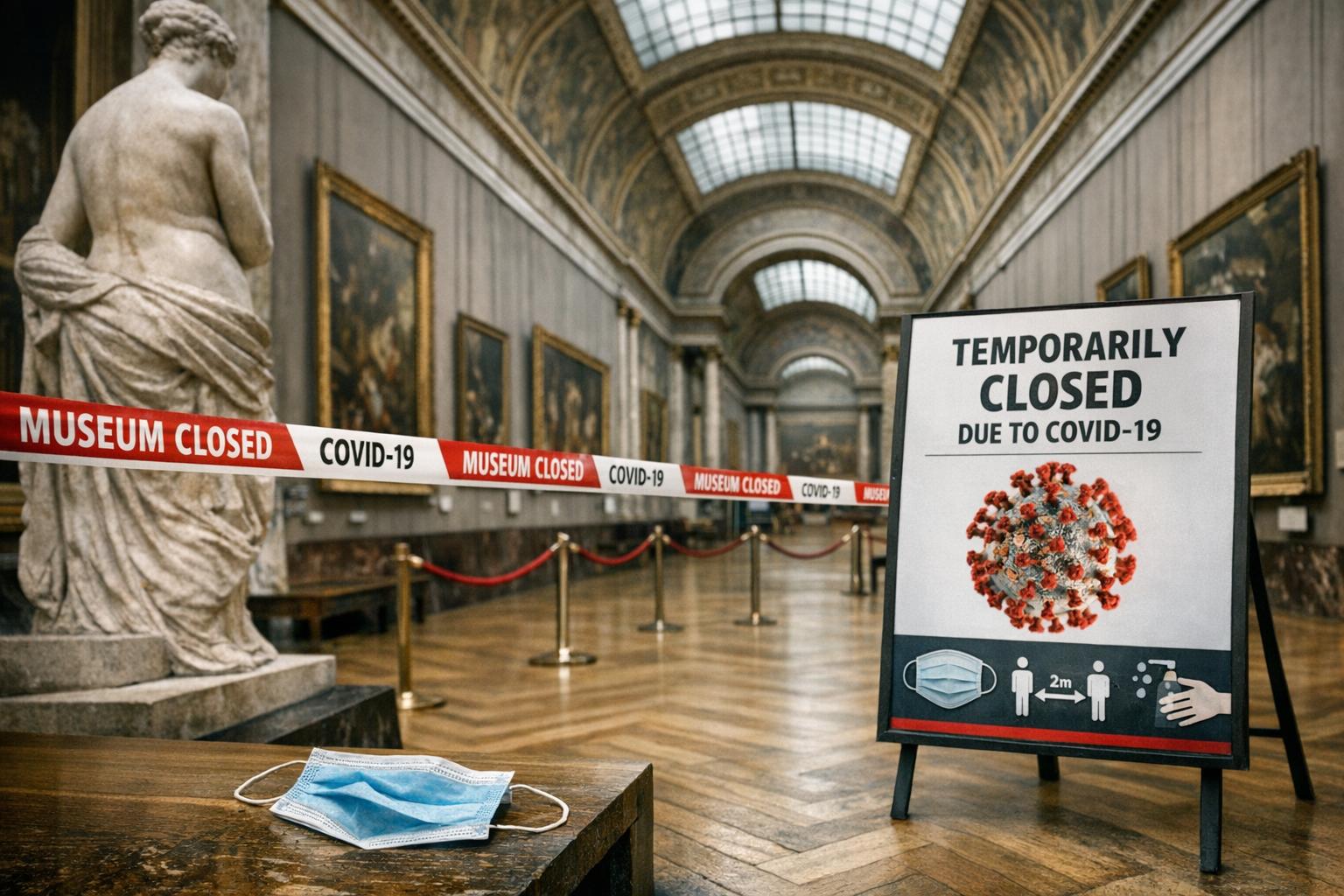
The emergence of COVID-19 in early 2020 disrupted the cultural sector across Europe with a speed and scope that few institutions had anticipated. Museums, which rely heavily on physical attendance and public interaction, were among the most immediately affected. Government-imposed lockdowns and restrictions on gatherings led to widespread closures, in some cases lasting several months. These measures brought routine operations to an abrupt halt, interrupting exhibitions, educational programs, and public events that form the core of museum engagement.
The decline in visitor numbers was both sudden and severe. Major institutions that typically welcomed thousands of visitors daily experienced near-total inactivity. Seasonal tourism, a key driver of museum attendance in cities such as Paris, Rome, and Amsterdam, disappeared almost overnight. This loss extended beyond admissions, affecting revenue streams tied to guided tours, special exhibitions, retail shops, and on-site dining facilities. The combined effect created an immediate financial shortfall that required urgent response.
Financial Consequences and Operational Adjustments
The economic impact of these closures varied depending on the size, governance structure, and funding model of each museum. Publicly funded institutions benefited from some degree of state support, but this was often insufficient to compensate for lost earned income. Privately operated museums and those heavily dependent on tourism revenue faced greater vulnerability.
Data from the Network of European Museum Organisations (NEMO) illustrates the scale of disruption, with reported revenue losses ranging between 25% and 75% during the initial phase of the pandemic. Larger institutions were able to absorb temporary losses more effectively due to reserves or diversified funding sources. In contrast, smaller and regional museums often operated with limited financial buffers, making them more susceptible to prolonged closures.
To manage these pressures, museums implemented a range of operational adjustments. Cost-reduction measures were widespread, including postponement of exhibitions, reduction in programming, and limitations on acquisitions. Staffing decisions were particularly significant. Many institutions introduced furlough schemes or reduced working hours, while others were compelled to make permanent redundancies. These decisions not only affected employees but also had long-term implications for institutional expertise and capacity.
In parallel, museums sought alternative funding avenues. Emergency grants provided by national governments and cultural bodies offered partial relief. Philanthropic contributions and private donations also played a role, particularly for high-profile institutions with established donor networks. However, reliance on such sources highlighted structural vulnerabilities within the sector, particularly the dependence on external financial support during crises.
Accelerated Digital Transformation
One of the most notable developments during this period was the rapid expansion of digital initiatives. While many museums had previously invested in digital content, the pandemic accelerated these efforts significantly. With physical spaces closed, institutions turned to online platforms as the primary means of engaging audiences.
Virtual tours became a central feature of this transition. Museums such as the British Museum and the Louvre enhanced their digital offerings, allowing users to explore galleries remotely through interactive interfaces. These experiences were often accompanied by multimedia elements, including audio guides, video explanations, and high-resolution images of artworks. Social media platforms were also used more intensively to share content, host live discussions, and provide educational material.
The expansion of digital programming extended to lectures, workshops, and school outreach activities. Museums collaborated with educators to support remote learning, offering curated resources for students and teachers. This shift not only maintained audience engagement but also broadened access, reaching individuals who may not have been able to visit in person.
In addition to audience-facing initiatives, digital tools were used internally to support collaboration and collection management. Remote working arrangements required the adoption of new systems for communication, documentation, and project coordination. These changes contributed to a broader digital integration within institutional workflows.
Challenges in Digital Innovation
Despite these advancements, the transition to digital engagement exposed several limitations. Not all museums possessed the infrastructure, funding, or expertise required to produce high-quality digital content. Smaller institutions, in particular, faced challenges related to technology investment and staff training. The gap between well-resourced and under-resourced museums became more pronounced, raising concerns about inequality within the sector.
Another issue was the sustainability of digital engagement. While initial online offerings attracted significant attention, maintaining audience interest over time proved difficult. The widespread availability of digital content across multiple sectors led to what is often described as digital fatigue, where users became less inclined to participate in virtual experiences. Museums had to consider how to differentiate their content and ensure it remained relevant and engaging.
Questions also arose regarding revenue generation. Unlike physical visits, many digital offerings were made freely accessible, limiting their potential as a direct income source. Some institutions experimented with paid virtual events or subscription models, but these approaches yielded mixed results. The balance between accessibility and financial sustainability remains an ongoing consideration.
Future Prospects and Lessons Learned
As restrictions eased and museums gradually reopened, attention shifted toward long-term adaptation. The experience of the pandemic underscored the importance of resilience and flexibility in institutional planning. Diversification of income streams emerged as a key priority, with museums exploring new approaches to fundraising, partnerships, and commercial activities.
The integration of digital and physical experiences is likely to remain a defining feature of the sector. Hybrid models, which combine on-site visits with digital engagement, offer opportunities to expand audience reach while enhancing visitor experiences. For example, digital tools can supplement exhibitions through interactive guides or extended online content, creating a more comprehensive engagement framework.
Collaboration has also gained increased significance. Museums across Europe have sought to share knowledge, resources, and best practices to navigate ongoing challenges. Platforms such as Europeana facilitate access to shared digital collections and promote cooperation between institutions. These initiatives support innovation while reducing duplication of effort.
In addition, there is growing recognition of the need to invest in staff development and technological capacity. Building expertise in digital production, data management, and audience analysis is essential for future growth. Museums are increasingly viewing digital competence not as an auxiliary function, but as an integral component of their operations.
Conclusion
The COVID-19 pandemic had a profound and immediate impact on European museums, disrupting established models of operation and exposing structural vulnerabilities. Financial pressures, operational adjustments, and the rapid shift toward digital engagement defined the sector’s response during the initial phase of the crisis.
While challenges remain, the period also accelerated changes that may have otherwise taken years to implement. Museums have gained valuable insights into audience behavior, technological potential, and organizational resilience. As they continue to evolve, the lessons learned during this period are likely to shape strategies for sustainability, accessibility, and innovation in the years ahead.