
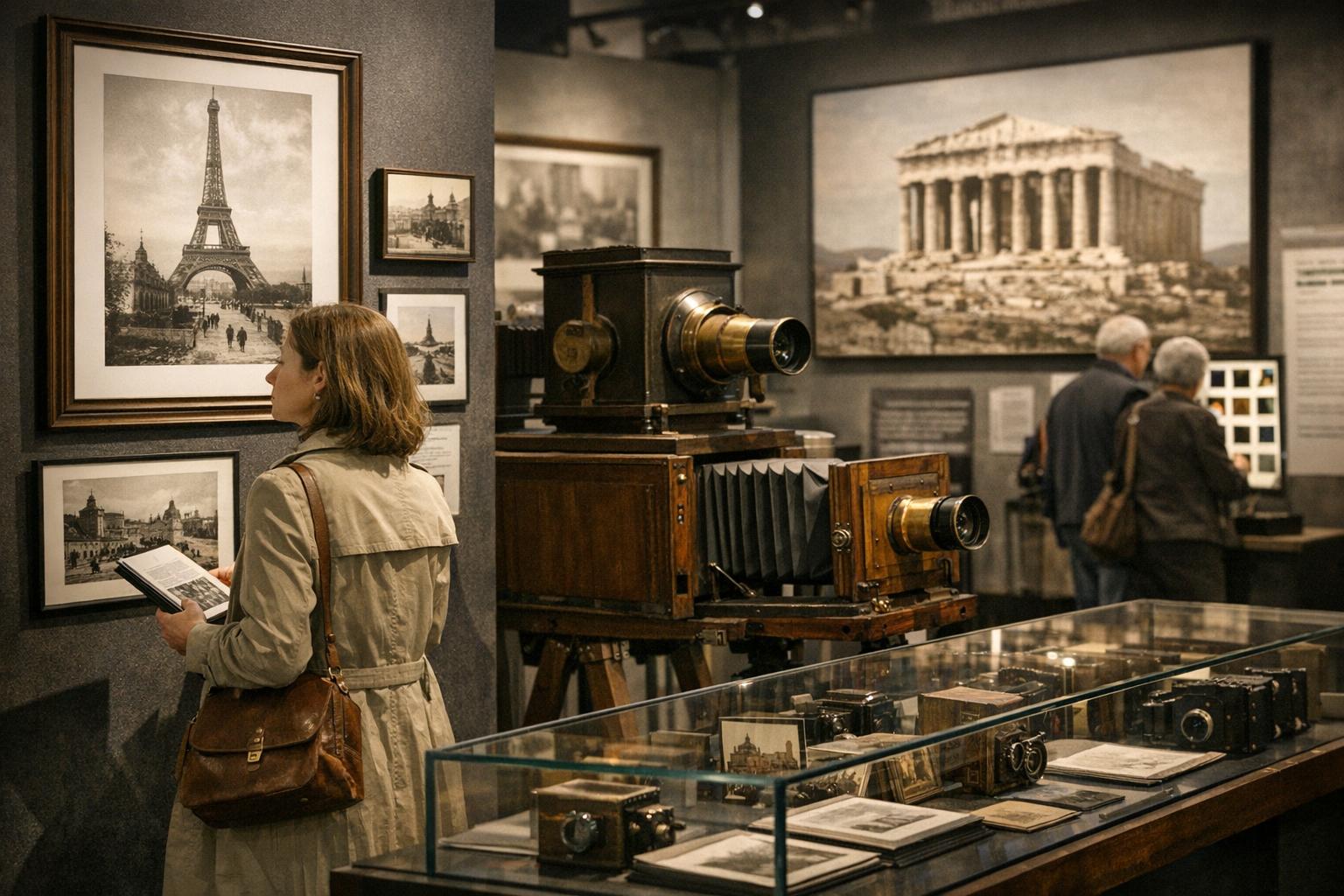
The Importance of Photography Museums in Preserving European Heritage
Photography museums play a crucial role in safeguarding and promoting Europe’s cultural heritage by preserving visual records that document social, political, and artistic developments across time. As photography evolved from a technical innovation into a widely accessible medium, it became one of the most effective ways to capture everyday life, major historical events, and shifting cultural values. Museums dedicated to photography act as structured environments where these images are preserved, interpreted, and presented to the public in meaningful ways.
Beyond simple preservation, these institutions contextualize photographs within broader historical narratives. Curated exhibitions, archival collections, and scholarly research transform individual images into components of a larger story. This allows visitors and researchers to understand not only what is depicted, but also why it matters within a European context. By maintaining rigorous standards of conservation and documentation, photography museums ensure that fragile materials such as prints, negatives, and early photographic equipment remain accessible for future study.
Historical Significance
Photography museums in Europe offer detailed insights into historical developments that shaped the continent. Since the nineteenth century, photography has documented major transformations, including industrialization, urban expansion, political conflicts, and social movements. These images provide direct visual evidence that complements written records, often revealing aspects of history that text alone cannot convey.
For example, early photographic documentation of industrial cities illustrates changes in labor conditions and urban architecture. War photography captures not only military events but also civilian experiences, demonstrating the broader impact of conflict on society. Similarly, images from periods of political transition, such as revolutions or the formation of new states, record both official events and informal moments that express public sentiment.
Photography museums collect, preserve, and interpret these materials, ensuring their long-term survival. Without such institutional efforts, many historical photographs would deteriorate or be lost due to neglect, technological obsolescence, or improper storage. The presence of these collections allows historians, researchers, and the general public to examine history through direct visual evidence rather than solely through secondary interpretation.
Preservation of Cultural Identity
European photography museums contribute significantly to preserving cultural identity by presenting visual records of traditions, customs, and everyday life across diverse regions. Photography captures details that are often absent from written sources, including clothing, domestic environments, rituals, and informal social interactions. These details provide a deeper understanding of how communities lived and expressed their identities.
Museums often organize collections according to geographic regions or thematic categories, allowing for comparisons between different cultures within Europe. This approach highlights both diversity and commonality, illustrating how distinct communities maintain unique traditions while also participating in shared cultural patterns. For instance, rural life in different countries may show variations in agricultural practices while still reflecting broader European economic structures.
In addition, photography museums frequently include works by local photographers, whose perspectives offer insights into their own communities. This helps avoid a purely external or generalized view of culture. By preserving and exhibiting these images, museums contribute to a more balanced and representative account of European heritage. They also support ongoing discussions about identity, migration, and cultural continuity in a contemporary context.
Educational Role
In addition to preservation, photography museums serve as educational institutions that engage diverse audiences. Through exhibitions, workshops, guided tours, and public programs, they provide opportunities to explore both the technical and conceptual aspects of photography. These initiatives are designed for a wide range of participants, including students, professionals, and general visitors.
Educational programs often address how photographs are created, how they function as historical documents, and how they can be interpreted critically. Visitors are encouraged to consider factors such as composition, context, and the intentions of the photographer. This approach promotes media literacy, helping individuals understand that photographs are not neutral representations but constructed images that reflect specific perspectives.
Museums also collaborate with educational institutions, integrating photography into academic curricula. Students may engage with archival materials, participate in research projects, or attend lectures by scholars and practitioners. Such interactions foster a deeper appreciation for photography as both an artistic and documentary medium.
Temporary exhibitions often focus on specific themes or historical periods, providing updated interpretations based on new research. This ensures that museums remain dynamic educational spaces rather than static repositories. By presenting photography within a structured learning environment, these institutions contribute to broader cultural awareness and critical engagement with visual media.
Collaboration and Research
Collaboration and research are central to the continued relevance of photography museums in Europe. Many institutions work closely with universities, archives, and other museums to share knowledge, resources, and expertise. These partnerships enable large-scale research projects, joint exhibitions, and the exchange of archival materials.
International collaboration is particularly important in the context of European heritage, which often transcends national boundaries. Photographic collections may document events or communities that span multiple countries, requiring coordinated efforts to provide a comprehensive interpretation. By working together, museums can present more accurate and nuanced narratives.
Research within photography museums encompasses both historical and technical aspects. Scholars study the context in which images were produced, the biographies of photographers, and the reception of photographic works over time. At the same time, conservation specialists develop methods to preserve aging materials and digitize collections for wider access. Digital archives have become increasingly important, allowing researchers and the public to access high-quality reproductions without compromising the original materials.
Through publications, conferences, and exhibitions, research conducted by photography museums contributes to the broader field of visual studies. These activities ensure that photography is not only preserved but also continually reinterpreted in light of new perspectives and methodologies.
Photography museums remain essential institutions within Europe’s cultural landscape. Their work extends beyond preservation to include education, research, and public engagement. By maintaining and interpreting photographic collections, they ensure that visual records of Europe’s past remain accessible and relevant. As technology continues to evolve, these museums adapt by incorporating digital tools while maintaining commitment to the physical preservation of original works. This balance allows them to support both historical continuity and contemporary access, reinforcing their importance in the ongoing documentation of European heritage.